
Water spot etching and mineral deposits are difficult to remove without paint correction because mineral-rich water droplets that evaporate under sunlight leave behind hard calcium and magnesium crusts that chemically eat into and distort the clear coat. Standard washing or surface cleaners can only remove loose surface dust, leaving behind permanent physical depressions that require multi-stage machine polishing to level and restore.
The Technical Science of Mineral Etching and Clear Coat Depression
Understanding why hard water damage resists standard cleaning requires examining how mineral crystallization interacts with automotive clear coats. When hard water dries on a vehicle surface, evaporating moisture leaves behind concentrated alkaline minerals that bond aggressively and micro-fracture the clear coat surface.
Key Paint Correction and Mineral Etching Definitions
- Alkaline Mineral Crust: Hard deposits of calcium carbonate and magnesium left behind after hard water evaporates under solar thermal radiation.
- Clear Coat Etching: A physical depression or crater formed when minerals react chemically with heat and acidic environmental fallout, sinking into the protective clear coat layer.
- Multi-Stage Machine Polishing: The mechanical cutting and finishing process using rotary or dual-action polishers to level the surrounding clear coat down to the base of the etch.
| Water Spot Severity | Depth of Damage | Required Restoration Method |
| Type 1: Mineral Ring Deposits | Surface level only (on top of clear coat). | Chemical water spot remover and neutralizing wash. |
| Type 2: Shallow Etching | Minor indentation into the upper clear coat. | Single-stage light polishing or finishing pad correction. |
| Type 3: Deep Mineral Etching | Substantial cratering penetrating deep into clear coat. | Multi-stage heavy cutting compound followed by gloss-refining polish. |
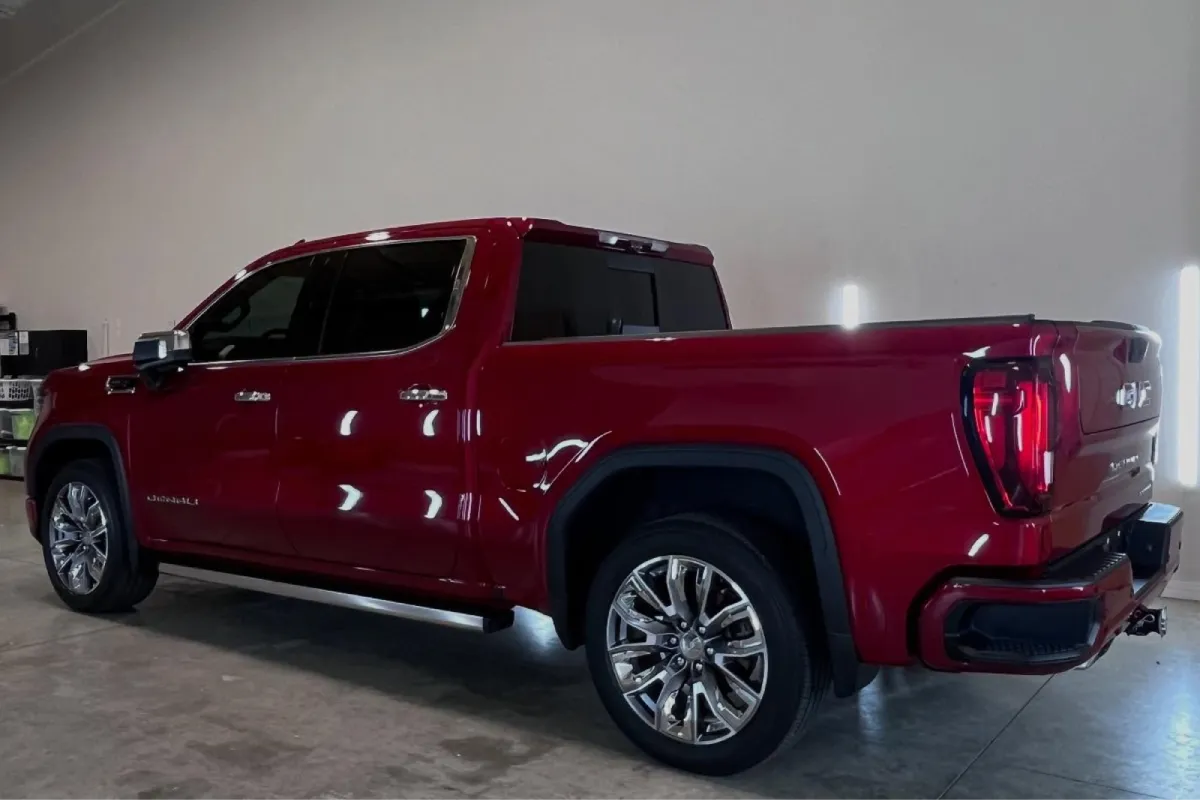
During a recent vehicle restoration project for a client, our technical team examined how regional hard water exposure from residential irrigation systems accelerates mineral crust bonding on daily-driven vehicles. Implementing a precise paint correction process allowed us to completely eliminate stubborn etchings and restore the vehicle’s original optical clarity without thinning the protective layer beyond safe manufacturing tolerances.
Chronological Stages of Hard Water Damage Formation and Correction
Addressing severe water spot etching requires a precise, multi-phase technical workflow to safely level damaged paint without compromising structural clear coat thickness. When vehicle owners seek professional paint correction in Leander solutions, following an established restoration framework guarantees safe and flawless results.
- Chemical Mineral Dissolution
Apply a specialized acidic water spot neutralizer to break down and lift loose mineral crusts prior to mechanical polishing.
- Paint Thickness Measurement
Utilize digital paint depth gauges across all panels to measure safe clear coat allowances before corrective compounding.
- Multi-Stage Mechanical Leveling
Execute cutting and polishing passes using micro-abrasive pads to level the cratered clear coat edges flat with the bottom of the etch.
- Protective Coating Sealing
Lock in the corrected, mirror-like finish with a professional-grade ceramic coating or sealant to prevent future mineral bonding.
We routinely assist drivers from surrounding hubs like Pflugerville, Round Rock, and Austin through these exact restoration phases. Ensuring that every paint correction in Leander, TX project receives meticulous evaluation protects the structural integrity of the clear coat while permanently erasing unsightly mineral damage.
How-to: Inspecting Your Vehicle for Water Spot Etching Depth
Determining whether your vehicle’s water spots can be washed away or require intensive paint correction can be evaluated through a structured visual and tactile inspection. Follow these core steps:
- Check Feel with Fingertips: Lightly glide a clean finger across the water spot; if it feels rough or raised, it is a surface mineral deposit. If it feels like a physical depression or crater, it is etching.
- Inspect Under Direct Sunlight: Examine how light reflects off the spot rings; if the reflection is distorted or broken, the clear coat has been physically etched.
- Perform a Test Wipe: Apply a dedicated water spot vinegar solution or chemical remover; spots that disappear entirely are surface minerals, while remaining shadows indicate true etching.
Debunking the Myth: “You Can Easily Scrub Out Water Spot Etching with a Heavy-Duty Sponge and Compound at Home”
A widespread DIY misconception is that aggressive hand-scrubbing with off-the-shelf rubbing compounds and coarse kitchen scrub sponges can quickly buff out water spot etching in the driveway.
In reality, aggressive hand scrubbing without precise machine control and uniform pressure creates severe, uneven micro-scratches, known as buffer trails or hazing, while failing to level the surrounding clear coat evenly. Because water spot etches are microscopic craters, the surrounding clear coat must be meticulously leveled down to the base of the depression using calibrated machine polishers and paint depth meters. Hand compounding often leaves the paint looking dull, uneven, and structurally compromised. Partnering with specialists experienced in high-grade Leander paint correction techniques ensures your vehicle’s paint is restored safely and professionally.
Elevating Your Paint Correction and Restoration Standards
To address the common challenges of automotive ownership, where harsh sprinkler water and solar heat permanently damage fine finishes, we anchor our daily restoration processes in a rigorous quality framework.
At Signature Auto Detailing, our brand is professional and semi-luxury, yet friendly and approachable. Backed by 20+ years of experience and more than 4,500 cars detailed, we bring unmatched expertise and dedication to every vehicle we service. Guided by our unwavering commitment to 100% satisfaction, we prioritize personalized care and meticulous craftsmanship over rushed or cookie-cutter work.
When dealing with deep mineral damage, our team expertly removes scratches, swirls, and imperfections to eliminate harsh etches and wash marring. Through calibrated cutting stages, we carefully restore depth and gloss to bring back the rich, mirror-like reflectivity your vehicle deserves. By utilizing advanced polishing techniques and rotary machinery tailored to your specific clear coat density, we successfully preserve resale value & showroom finish. Finally, we lock in our work to help shield against scratches, UV, and road debris moving forward.
Restore Your Paint’s Clarity Today
Don’t let water spot etching and stubborn mineral deposits permanently damage your vehicle’s clear coat or diminish its reflective finish. At Signature Auto Detailing, we provide professional paint correction services designed to restore clarity, gloss, and depth while helping protect your vehicle’s appearance. You don’t have to live with dull, damaged paint when expert multi-stage paint correction and professional protection are readily available.
Contact us today to schedule your paint correction consultation or service appointment, and experience the ultimate combination of flawless clarity, restored gloss, and long-lasting protection!
Frequently Asked Questions
Can ceramic coatings prevent water spot etching entirely?
While high-grade ceramic coatings create a slick barrier that drastically reduces mineral adhesion, severe water drops left to bake under intense sunlight can still cause minor etching if not wiped away.
Why do black and dark-colored cars show water spot etching faster?
Dark paint absorbs more solar heat, causing mineral-rich water droplets to evaporate rapidly and bake alkaline deposits deeper into the clear coat than on lighter-colored vehicles.
Is paint correction safe for factory clear coats?
Yes. Professional paint correction measures paint thickness with digital gauges, removing only a microscopic fraction of clear coat (measured in microns) necessary to level the surface.
How long does a professional paint correction process take?
Depending on the vehicle size and paint hardness, multi-stage paint correction typically takes anywhere from one to three days to complete with absolute precision.
Will polishing remove all scratches from my vehicle’s paint?
Polishing removes paint defects that reside within the clear coat layer, but deep scratches that have penetrated through to the basecoat or primer will require touch-up or repainting.