
If you’ve ever been stuck in traffic on a sunny afternoon, you know how uncomfortable a hot vehicle can become. The sun can make your steering wheel scorching, your seats uncomfortable, and glare can make driving more difficult. Choosing the right type of window tint can make a noticeable difference in your comfort and vehicle protection.
In this guide, we’ll compare ceramic and regular tint to help you understand the differences, benefits, and which option may be the right fit for your driving needs. Understanding how each type performs can help you protect your vehicle’s interior, reduce heat, and create a more enjoyable driving experience.
Key Takeaways
- Ceramic tint provides stronger heat rejection and UV protection compared to traditional options.
- Regular tint offers an affordable way to improve privacy, reduce glare, and add basic heat protection.
- Ceramic film is more durable, fade-resistant, and does not interfere with electronic systems.
- The right choice depends on your driving habits, climate exposure, and desired level of comfort.
- Professional installation helps ensure proper performance and appearance.
Understanding Window Tint
Window film is designed to improve your driving experience by reducing heat, limiting glare, and blocking harmful UV rays. These protective layers can help prevent interior materials such as leather seats, dashboards, and trim from fading or deteriorating due to prolonged sun exposure.
Many drivers underestimate how much sunlight affects their vehicles over time. A friend of mine who regularly commuted long distances noticed her leather seats beginning to fade and crack after years of sun exposure. After installing quality window film, she immediately experienced a cooler cabin, reduced glare, and better protection for her interior.
Beyond appearance, window tinting in Round Rock can improve everyday comfort by making bright drives easier on your eyes and helping maintain a more consistent interior temperature.
What is Regular Tint?
Regular tint is a popular and affordable option for many drivers. It typically comes in two main types: dyed and metallic. Dyed tint absorbs heat and provides a basic level of privacy, making it harder for others to see inside your car. Metallic tint, on the other hand, reflects more heat but may occasionally interfere with electronics such as GPS, radio, or mobile signals.
For many residents, Round Rock window tinting offers regular tint as a standard solution for drivers who want privacy and moderate heat reduction without investing in a premium option. Regular tint improves comfort by reducing sun glare and keeping the cabin slightly cooler, which is especially helpful during summer months in Central Texas.
However, regular tint has some limitations. Over time, it may start to fade or develop bubbles if not installed properly. The level of heat reduction is also not as high as that of ceramic tint, and ultraviolet protection is moderate, which means interior surfaces may still experience some fading or sun damage. Despite these limitations, regular tint is a solid choice for drivers who prioritize privacy and basic comfort.
What is Ceramic Tint?
Ceramic tint is a high-performance option that utilizes advanced ceramic particles to block heat and ultraviolet rays, eliminating the need for metals or dyes. Window tint in Round Rock, TX, with ceramic film provides superior heat rejection, making it a favorite among drivers who spend a lot of time on the road during hot summer days. Cars with ceramic tint feel noticeably cooler even when parked in direct sunlight for several hours.
One of the biggest advantages of ceramic tint is ultraviolet protection. It blocks a large percentage of harmful UV rays, helping to prevent fading and cracking of dashboards, leather seats, and other interior surfaces. This is especially important for residents who frequently drive or have vehicles that are exposed to the Texas sun for extended periods.
Ceramic tint is also highly durable, resisting fading and discoloration. Because it does not contain metal, it will not interfere with electronic devices inside the car, including GPS, radios, and even keyless entry systems. Many drivers rely on window tinting services for professional installation to ensure the film is applied correctly, providing maximum heat reduction, comfort, and long-term protection.
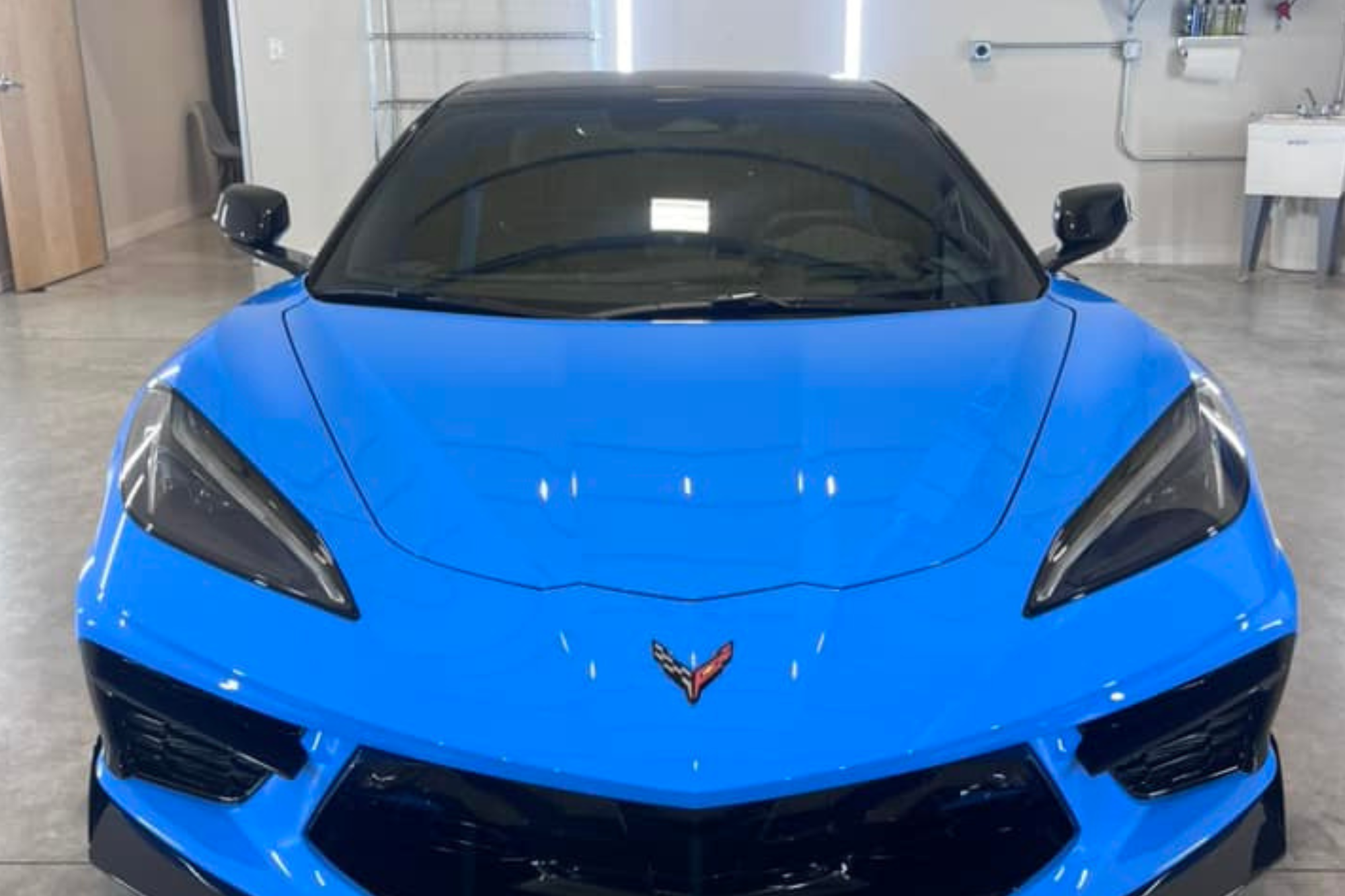
Key Differences Between Ceramic and Regular Tint
The most noticeable difference between ceramic and regular tint is the level of heat reduction. Ceramic tint keeps the car significantly cooler, even during the hottest summer days, whereas regular tint provides moderate heat reduction. For drivers who often experience high temperatures in their vehicles, this can be a major deciding factor.
Ultraviolet protection is another area where ceramic tint excels. It blocks more UV rays than regular tint, helping to protect passengers and the vehicle’s interior from sun damage. Durability is also important. Ceramic tint maintains its appearance and performance for years without fading, while regular tint may start to deteriorate and lose effectiveness over time.
Additionally, ceramic tint does not interfere with electronics, making it ideal for modern vehicles with multiple devices and digital features. Choosing the right window tinting solution ensures that your vehicle is comfortable, protected, and fully functional for years to come.
Choosing the Right Tint for Your Vehicle
When deciding between ceramic and regular tint, it’s essential to consider your driving habits and priorities. If you spend a lot of time on the road during peak sunlight hours, ceramic tint provides superior heat reduction and UV protection, which can significantly improve comfort. It also helps maintain your car’s interior, keeping leather, dashboard, and upholstery in better condition over time.
For drivers who mainly use their vehicle for short trips or errands, regular tint can provide sufficient glare reduction and privacy. It is also suitable for individuals who may not be accustomed to prolonged exposure to intense sunlight. Both options enhance the vehicle’s appearance and offer privacy, but ceramic tint provides higher performance and longer-term durability.
Compliance with Texas tint laws is also important. The state requires front side windows to have at least 25 percent visible light transmission, while back and rear windows offer more flexibility. Professional window tinting services can ensure your installation meets these requirements while giving you the best performance and comfort.
In Summary
Choosing the right window film can improve your vehicle’s comfort, appearance, and interior protection. While regular tint provides an affordable solution for reducing glare and adding privacy, ceramic tint offers superior heat rejection, UV protection, and long-term performance. Signature Auto Detailing provides professional window film installation designed to enhance your driving experience while helping protect your vehicle from everyday sun exposure and heat.
Ready to improve your driving comfort? Contact us today to determine which option is best suited for your vehicle.
Frequently Asked Questions
1. What is the main difference between ceramic tint and regular tint?
Ceramic tint uses advanced ceramic particles to provide stronger heat rejection, UV protection, and durability compared to regular tint. Traditional tint offers basic privacy and glare reduction but typically provides less performance in extreme heat conditions.
2. Is ceramic tint worth the extra cost compared to regular tint?
For drivers who spend a lot of time in the sun or want maximum comfort and interior protection, ceramic tint can be worth the investment. It provides better heat control, reduces UV exposure, and maintains its appearance longer than many standard films.
3. Does ceramic tint block more heat than regular tint?
Yes. Ceramic tint is designed to reject more solar heat, helping maintain a cooler vehicle interior. This can make a noticeable difference during hot weather and reduce the strain on your vehicle’s air conditioning system.
4. Can window tint protect my car’s interior from sun damage?
Yes. Quality window tint helps block harmful UV rays that contribute to fading, cracking, and deterioration of materials like leather seats, dashboards, and trim. Ceramic films generally provide stronger UV protection than regular options.
5. How do I choose between ceramic and regular tint for my vehicle?
The right choice depends on your driving habits, budget, and comfort goals. Regular tint works well for drivers seeking basic privacy and glare reduction, while ceramic tint is ideal for those wanting improved heat rejection, durability, and long-term vehicle protection.